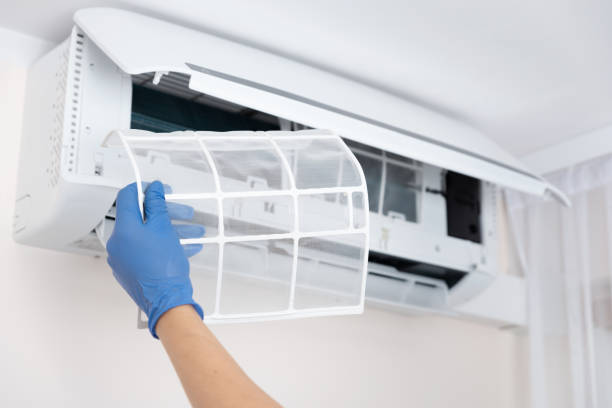
Your air conditioning system relies on numerous components to function efficiently, and two of the most critical parts are the capacitor and contactor. When these components begin to fail, they can disrupt the performance of your HVAC system, leading to inadequate cooling or even complete system failure. Knowing how to identify early warning signs of a failing capacitor or contactor can save you time, money, and discomfort.
Common Signs of a Failing Capacitor
Capacitors store and release energy to power crucial motors in your air conditioning unit, such as the compressor, blower motor, and fan motor. If a capacitor is failing, you may notice:
– Difficulty starting: The A/C unit struggles to turn on or starts slower than usual.
– Humming noises: A persistent humming sound may indicate that the capacitor is struggling to hold enough charge.
– Frequent cycling: Short cycling (turning on and off frequently) could point to worn-out capacitors unable to maintain consistent power output.
– Random shut-offs: The system shuts down unexpectedly during operation.
– Burning odors: Overheating capacitors may emit a burning smell.
Indicators of a Faulty Contactor
The contactor acts as an electrical switch responsible for delivering power from your home’s electrical supply to the HVAC system’s compressor and fan motors. When it malfunctions, you might observe:
– A/C not turning on: If the contactor is stuck open or closed, it may prevent electricity from reaching critical parts of the unit.
– Clicking sounds: Unusual clicking noises near the outdoor unit may signal loose or damaged contact points inside the contactor.
– Overheating components: A bad contactor can result in overheating wires or relays due to improper electrical flow. – Burn marks or corrosion: Upon inspection, visible wear like burn spots on wiring near the contactor indicates a problem.
Comparing Symptoms in Capacitor vs Contactor Failure
| Symptom | Capacitor Issue? | Contactor Issue? |
| Difficulty starting | Yes | No |
| Persistent humming noise | Yes | No |
| System won’t turn on | Possible | Highly likely |
| Clicking sounds | No | Yes |
| Burning smells | Yes | Possible |
What Happens if These Issues Are Ignored?
Ignoring signs of faulty capacitors or contractors can result in serious consequences for your HVAC system including: 1. Increased energy consumption due to inefficient operation. 2. Long-term damage to expensive components like compressors and motors. 3. Higher repair costs if small issues escalate into major failures. 4. Complete loss of cooling during peak summer months.
Prompt attention ensures minimal disruption while extending your HVAC system’s lifespan.
By recognizing these symptoms early and taking appropriate action—whether through DIY troubleshooting (if qualified) or professional intervention—you can maintain optimal performance for your air conditioning system year-round while avoiding unnecessary expenses associated with more extensive repairs later down the line.
Exploring Orlando AC Service: The Importance of Contactors and Capacitors in Your HVAC System
The air conditioning (A/C) system in your home depends on several critical components to deliver efficient cooling. Among these, the contactor and capacitor play vital roles in enabling your HVAC system to function reliably. Understanding their purpose can help you spot potential issues early and ensure your system continues running smoothly.
Understanding A/C Contactors and Orlando AC Repair
- Responding to Thermostat Signals: When the thermostat detects a need for cooling, it sends a low-voltage signal to energize the contactor.
- Completing the Circuit: The contactor then completes the circuit, allowing high voltage to flow to critical components like motors and compressors.
- Shutting Off When Not Needed: Once your home reaches the desired temperature, the thermostat cuts off its signal, causing the contactor to open and break the circuit.
Without a functioning contactor, your air conditioning system cannot turn on or off properly.
Understanding A/C Capacitors in Orlando FL Air Conditioning Repair
- Provide extra energy needed for starting larger motors.
- Help kickstart heavy loads like compressors.
- Operate continuously while motors are running.
- Ensure smooth operation by maintaining a consistent voltage supply.
Capacitors come in different sizes (measured in microfarads), with each HVAC unit requiring a specific match based on its design.
Why Are These Components Important?
| Component | Function | Key Impact on System Performance |
| Contactor | Controls power flow based on thermostat signals | Prevents unnecessary power usage; ensures safe cycling |
| Capacitor | Provides energy boost for starting/running motors | Ensures efficient motor operation; reduces wear over time |
- The system not turning on at all.
- Humming sounds from outdoor units without proper startup.
- Frequent tripping of circuit breakers due to electrical inconsistencies.
- Motors running inefficiently or overheating.
Signs of Potential Issues
- Your A/C unit struggles to start or runs intermittently.
- The outdoor unit makes clicking or buzzing noises.
- Visible wear, burning marks, or corrosion near electrical components.
By understanding how contactors and capacitors support your HVAC system’s performance, you’ll be better equipped to maintain their health over time. Regular inspections by professionals can further ensure these components remain in good working condition.
How to Diagnose a Faulty A/C Contactor or Capacitor: A Comprehensive Guide
Diagnosing issues with an air conditioning (A/C) system often requires a systematic approach from a professional contractor like orlandoacservice.org. Two of the most common components that fail in an HVAC system are the contactor and the capacitor. Recognizing the symptoms of their failure and understanding how to diagnose these problems can save both time and money. Below is a comprehensive guide to help homeowners and technicians identify issues with these critical components.
Symptoms of a Faulty Contactor or Capacitor
- Unusual Noises: A buzzing or humming sound may indicate an issue with the contactor.
- A/C Won’t Start: If your air conditioner does not turn on, either of these components could be at fault.
- Frequent Cycling: A malfunctioning capacitor may cause frequent on-and-off cycling of your unit.
- Weak Airflow: Insufficient cooling or weak airflow might signal that the capacitor is failing.
- Burnt Smell or Scorch Marks: Visible damage near the contactor could suggest overheating or electrical failure.
Tools Needed for Diagnosis
| Tool | Purpose |
| Multimeter | To measure electrical continuity, voltage, and capacitance. |
| Screwdrivers | For accessing panels and securing connectors. |
| Insulated Gloves | Provides safety while handling electrical components. |
| Flashlight | Helpful for inspecting dark areas inside an HVAC unit. |
Step-by-Step Diagnostic Process
- Turn off power to your HVAC system at both the thermostat and circuit breaker.
- Use insulated gloves while working to prevent electric shocks.
- Open the outdoor condenser unit panel where the contactor and capacitor are located.
- Look for scorch marks, bulging capacitors, or melted contact points on the contactor.
- Use a multimeter set to continuity mode (beep test) to check if electricity flows through when engaged.
- If continuity is not present when engaged, it’s likely that the contactor has failed.
- Switch your multimeter to capacitance testing mode (measured in microfarads µF).
- Compare readings from each terminal against manufacturer specifications listed on your capacitor’s casing.
- Any reading significantly below specification indicates a faulty capacitor.
- Once you’ve ruled out other causes, restore power temporarily for live testing (if safe). Measure voltage as it reaches both components using appropriate terminals.
- Record any abnormal findings (e.g., low capacitance readings, lack of continuity) for future reference or replacement decisions.
Common Diagnostic Pitfalls
While diagnosing these components might seem straightforward, there are potential pitfalls you should avoid: – Misinterpreting normal wear as damage—some discoloration can occur naturally over time. – Overlooking loose connections during inspection; sometimes tightening screws resolves intermittent issues without replacing parts. – Testing without ensuring all power sources are disconnected—a major safety hazard.
Proper diagnosis of a faulty A/C contactor or capacitor ensures that only necessary repairs are carried out and prevents unnecessary component replacements. By following this guide and exercising caution throughout each step, you can maintain your HVAC system’s efficiency without compromising safety.
A Step-by-Step Guide to Accessing and Replacing Your A/C Contactor or Capacitor
Replacing an A/C contactor or capacitor is a task that requires both precision and caution. These components are essential for your HVAC system to function properly, so ensuring their correct removal and installation is crucial. Below is a step-by-step guide to help you access and replace these critical parts safely and efficiently.
Step 1: Turn Off the Power
Before working on your air conditioning system, safety should be your top priority. Follow these steps to disconnect power:
– Locate the circuit breaker specifically connected to your HVAC system.
– Switch off the breaker to prevent electricity from flowing to the unit.
– Use a multimeter or voltage tester to confirm the absence of power at the unit before proceeding.
Step 2: Gather Necessary Tools
Having the right tools will make this process smoother and safer. Common tools required include:
– Screwdrivers (flat-head and Phillips)
– Needle-nose pliers
– Multimeter for electrical testing
– Insulated gloves for protection against current
– Replacement contactor or capacitor (as per system specifications)
Step 3: Accessing the Contactor or Capacitor

To locate these components, follow these steps:
1. Remove the screws securing the access panel on the outdoor condenser unit using a screwdriver.
2. Safely lift off the panel to expose internal components such as wiring, capacitors, and contactors.
Take note of how wires are connected before you proceed further—photographs can help ensure proper reassembly later.
Step 4: Test Before Replacement
Using your multimeter, perform a diagnostic check on both components:
For Capacitors:
– Set your multimeter to capacitance mode.
– Disconnect one terminal wire from each capacitor before testing.
– Compare measured values with manufacturer-specified ratings printed on its casing.
For Contactors:
– Test continuity across terminals using resistance mode.
– Signs of wear such as pitted surfaces can also indicate failure.
If results show values outside acceptable ranges or visible damage is present, replacement is necessary.
Step 5: Removing Faulty Components
Carefully remove damaged parts without disrupting other connections: 1. For capacitors, disconnect all attached wires using needle-nose pliers. 2. Unscrew mounting brackets or clips holding it in place. 3. For contactors, carefully unbolt all terminals while avoiding tangling wires beneath.
Label wires during disconnection for simpler reconnections later.
Step 6: Install New Components
Installing Capacitors:
1. Position new capacitors securely into brackets provided inside units housing assembly frames. 2.Connect labeled terminals precisely following earlier photographs taken earlier above-exact alignments ensure error-free functionality
Essential Tips for Buying the Correct Replacement A/C Contactor or Capacitor
When your air conditioning system starts experiencing issues, replacing faulty components like the contactor or capacitor is often necessary. However, purchasing the correct replacement part can be challenging if you’re unfamiliar with HVAC systems. Here’s a detailed guide on what to consider when buying a new A/C contactor or capacitor to ensure compatibility and long-term efficiency.
Understand Your System Specifications
- Model and Serial Numbers: These numbers are typically found on a label attached to the outdoor unit or in your user manual.
- Manufacturer Information: Stick to parts recommended by the manufacturer whenever possible for optimal performance.
- Capacitor Ratings: Check for the required microfarad (µF) rating and voltage specifications printed on the existing capacitor.
- Contactor Type: Identify whether you need a single-pole, double-pole, or triple-pole contactor based on your system design.
Match Electrical Ratings
| Specification | Meaning | Importance |
| Voltage Rating | The maximum voltage the component can handle | Prevents electrical overload |
| Microfarad Rating | The capacitance of a capacitor | Ensures proper energy storage for startup |
| Amperage Capacity | The current carrying capacity of a contactor | Protects against overheating in high-demand systems |
Never opt for components with higher or lower ratings than specified for your unit, as this could lead to performance issues or damage.
Choose High-Quality Components
- Stick with trusted brands known for durability and reliability. Generic alternatives may save money upfront but could fail prematurely.
- Look for components made from robust materials designed to withstand wear and tear, especially in extreme weather conditions.
- Opt for components that come with a warranty as an added layer of protection against defects.
Consult Industry Standards
When shopping for HVAC components, look for certifications such as UL (Underwriters Laboratories) approval to ensure compliance with industry safety standards.
Avoid Common Buying Mistakes
- Misreading Labels: Double-check all labels on your existing component before purchasing replacements.
- Ignoring Compatibility: Don’t assume all capacitors or contactors are universal; always confirm compatibility with your specific HVAC system.
- Buying Based on Price Alone: While affordability is important, prioritize quality over cost-cutting measures that may compromise performance.
By carefully evaluating these factors, you can select the right replacement A/C contactor or capacitor tailored to your system’s needs. This not only restores functionality but also prolongs the life of your air conditioning unit while improving energy efficiency.
The Importance of Professional Expertise in Installing Replacement HVAC Components
When it comes to replacing critical HVAC components such as contactors or capacitors, professional expertise is invaluable. While some homeowners may feel inclined to attempt these replacements themselves, the intricacies of HVAC systems demand a precise understanding of electrical components, safety protocols, and system design. Below, we explore why hiring a professional is a crucial step when addressing HVAC component replacement.
Why Professional Expertise Matters
- High Voltage Risks: A/C systems often operate on high-voltage circuits that pose significant safety risks if handled improperly. Professionals are trained to work with these systems safely.
- Electrical Shock Hazard: Mishandling an A/C capacitor can result in electrical shock since it stores energy even when disconnected from power. Professionals know how to discharge capacitors safely before handling them.
- HVAC issues can sometimes be misdiagnosed without proper training and tools. What may seem like a faulty capacitor or contactor could be a symptom of another underlying issue. HVAC technicians have the knowledge to perform accurate diagnostics, ensuring the root problem is addressed.
- Using incompatible replacement parts can lead to inefficiency, further damage, or complete system failure. Professionals have access to technical specifications and resources that ensure component compatibility with your specific make and model.
Benefits of Hiring an Experienced Technician
- Warranty Protection Many HVAC systems come with warranties that may require repairs or replacements to be carried out by licensed professionals. DIY attempts could void these warranties.
- Time Efficiency Technicians have the expertise and tools required to quickly identify problems and perform replacements efficiently, saving you time compared to trial-and-error DIY efforts.
- Optimized System Performance A properly installed component ensures that your system runs at peak efficiency, improving energy consumption and extending the lifespan of your equipment.
When Should You Call a Professional?
- Unusual humming noises indicating a failing contactor.
- Warm air blowing instead of cooled air due to capacitor failure.
- Frequent tripping of circuit breakers tied directly to your HVAC unit.
- Visible signs of damage such as bulging capacitors or scorched wires around the contactor.
Avoiding Common Mistakes with DIY Repairs
- Incorrect installation causing further system damage.
- Voided manufacturer warranties due to unauthorized repairs.
- Personal injury risks from mishandling high-voltage parts.
Professionals undergo extensive training and certification processes designed specifically for tasks like replacing contactors or capacitors safely and effectively — something no quick online guide can replicate.
Table: Comparison Between DIY vs Professional Installation
| Aspect | DIY Repair | Professional Installation |
| Knowledge Requirements | Limited | Extensive |
| Safety Risks | High | Low |
| Time Investment | Significant | Minimal |
| Warranty Preservation | Often voided | Typically preserved |
| Long-Term Reliability | Variable | High |
By relying on a licensed technician for component replacement tasks, homeowners ensure their HVAC systems remain safe, efficient, and long-lasting while avoiding common pitfalls associated with untrained repairs.
Key Tools Every Homeowner Should Have for HVAC Component Replacement
When it comes to maintaining or repairing your HVAC system, having the right tools is essential. Replacing components like contactors or capacitors can be challenging without proper equipment. Equipping yourself with these key tools will not only simplify the process but also ensure safety and efficiency.
Essential Tools for HVAC Component Replacement
- A multimeter is crucial for diagnosing electrical issues in your HVAC system. Use it to measure voltage, current, and resistance when testing contactors or capacitors.
- Look for a multimeter with auto-ranging capability for greater ease of use.
- A set of screwdrivers in various sizes is necessary for loosening and tightening screws on electrical panels and component mounts.
- Include both flat-head and Phillips screwdrivers in your toolkit.
- These are ideal for handling small wiring connections during capacitor or contactor replacement.
- Their long, narrow shape allows you to work in tight spaces effectively.
- Protect yourself from electric shocks with properly insulated gloves when working on live circuits or handling high-voltage components.
- Use wire strippers to remove insulation from wires before making new connections.
- Wire cutters help you trim wires to the required length during installation.
- Many HVAC systems use hex nuts to secure components like capacitors or contactors.
- Invest in a quality set of nut drivers that fit various sizes commonly found in HVAC equipment.
- A non-contact voltage detector helps identify whether power is flowing through a circuit without direct connection.
- This tool enhances safety by preventing accidental shocks during repairs.
- An adjustable wrench can assist in loosening nuts, bolts, and other fasteners used to secure parts within your HVAC system.
Additional Items That Can Be Useful
- Flashlight/Headlamp: Proper lighting is critical when working inside dimly lit areas such as basements or around air handlers.
- Electrical Tape: Vital for securing wire connections after completing repairs.
- Zip Ties: Keep wires organized by bundling them neatly with zip ties, reducing clutter within the unit.
- Replacement Screws & Connectors: Always keep extra screws and connectors on hand in case original ones are lost or damaged during disassembly.
| Tool | Primary Use | Must-Have? |
| Multimeter | Testing voltage, current, resistance | Yes |
| Screwdrivers | Loosening/tightening screws | Yes |
| Needle-Nose Pliers | Handling small wiring connections | Yes |
| Insulated Gloves | Protecting against electric shocks | Yes |
| Wire Strippers & Cutters | Preparing wires for installation | Yes |
| Nut Drivers | Securing components | Yes |
| Voltage Detector | Checking power flow | Highly Recommended |
Safety Considerations
- Ensure the power to your HVAC system is turned off at the breaker panel before beginning any work.
- Double-check circuits using a voltage detector to confirm they are deactivated.
- Always wear insulated gloves when handling electrical parts to reduce risk of shock injuries.
By preparing yourself with these tools and following basic safety procedures, you’ll be better equipped to handle minor repairs efficiently without compromising performance or personal safety.
- Identifying When to Call an HVAC Company Orlando, FL for AC Capacitor or Contactor Replacement
- Finding the Best HVAC Company Orlando, FL for Professional Air Conditioner Replacement
- The Complete Guide to Choosing an HVAC Company in Orlando, FL for Air Conditioning Replacement and Repair
- How Timely Orlando AC Service Can Save You Time and Money
- How to Identify When You Need Orlando AC Repair Services
- Expert Tips for Orlando AC Service and Troubleshooting Common Problems
- Signs Your Air Conditioner Needs Replacement: Tips from an HVAC Company Orlando, FL